





Search Results for: Cultivation Yield
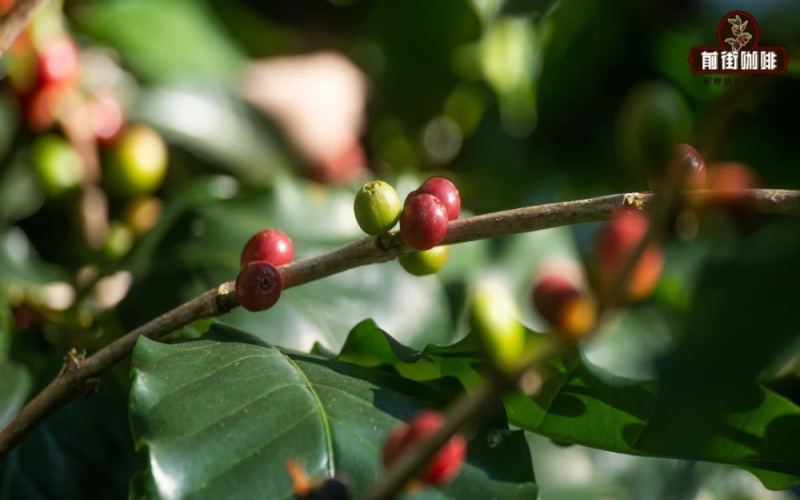
A Detailed Guide to How Many Times a Coffee Tree Fruits Per Year and Yield Per Mu: From Planting to Achieving Coffee Freedom
Many coffee enthusiasts have dreamed of leaving the hustle and bustle behind to live by the mountains. If they could plant coffee trees with their own hands—from flowering to fruiting, and then to roasting and brewing—they would truly achieve coffee freedom from seed to cup. But how many times a year does a coffee tree bear fruit? And how many coffee beans can one mu of land produce? These numbers directly relate to the feasibility of self-sufficiency. Front Street Coffee has been involved in coffee cultivation since 2013 and has accumulated rich experience through practice. Today, starting from the growth habits of coffee trees, we will provide a detailed analysis of the relationship between coffee yield and planting scale, helping every coffee fan with a pastoral dream to calculate this account clearly. [more…]
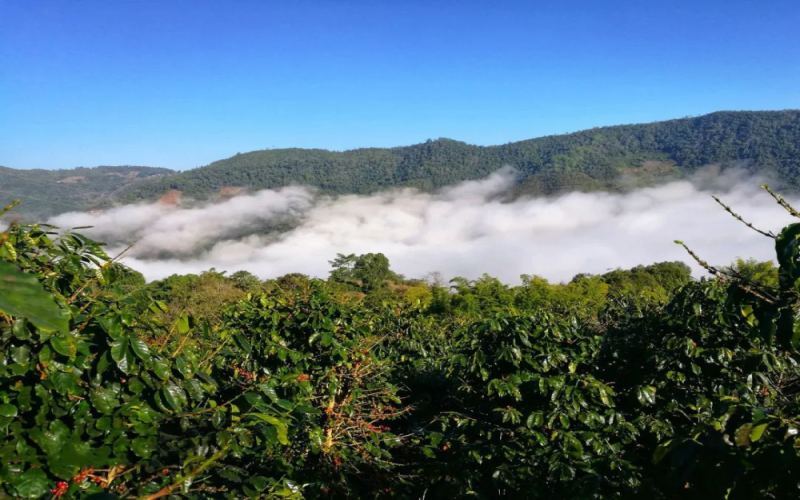
An analysis of the origin, flavor characteristics, and current cultivation status of Catimor CIFC7963, the main variety of Yunnan small-bean coffee.
In Yunnan's coffee cultivation area, the Catimor variety occupies an absolutely dominant position, with about ninety percent of production coming from this hybrid. Catimor CIFC7963 was bred by the Portuguese Coffee Rust Research Center, combining the disease resistance and high yield of Robusta with the sweet-and-sour flavor of Arabica, but its flavor complexity is relatively limited, often described as dominated by nutty and brown sugar notes. Meanwhile, the Typica variety, which was the earliest introduced to Yunnan, has gradually been replaced due to its low yield and weak disease resistance. Front Street Coffee has been cultivating Typica in Lincang, Yunnan since 2013, and after years of cultivation, its natural process presents full-bodied flavors of caramel, berries, and black tea. This article will systematically sort out Catimor's genetic background, flavor performance, and the context of variety replacement in Yunnan coffee, and share the brewing parameters for Front Street Yunnan coffee. [more…]
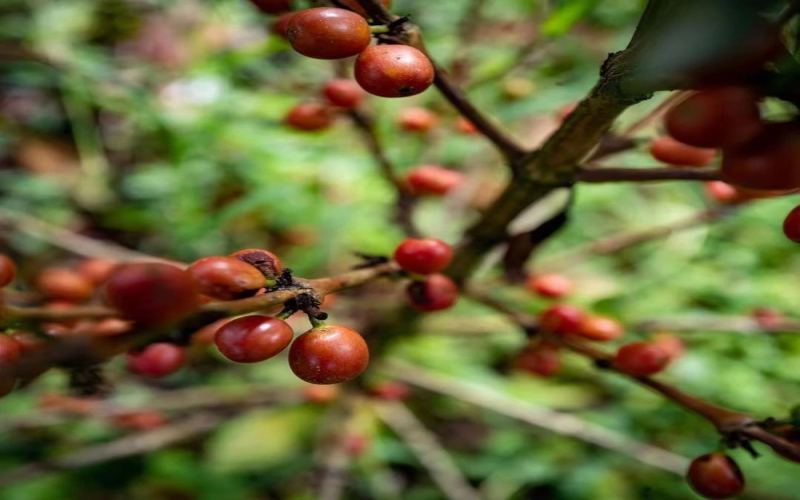
A Complete Analysis of the Pink Bourbon Coffee Variety: From Genetic Traits and Cultivation Challenges to the Flavors of Colombian and Guatemalan Growing Regions
Pink Bourbon is an extremely rare member of the Bourbon family, bred from a cross between Yellow Bourbon and Red Bourbon. Because recessive genes interfere with each other, its yield is extremely low, and it remained little known for a long time. This article will systematically review the growing conditions and variety origins of Pink Bourbon, introduce its current cultivation status and cupping flavors in Colombia and Guatemala, and further explain the historical spread of the Bourbon variety from Réunion Island to the rest of the world, as well as the characteristics of common variants such as Red Bourbon and Yellow Bourbon. At the end, Front Street Coffee's V60 pour-over parameters and brewing steps are included to help coffee enthusiasts better showcase Pink Bourbon's fresh, multi-layered flavor performance. [more…]
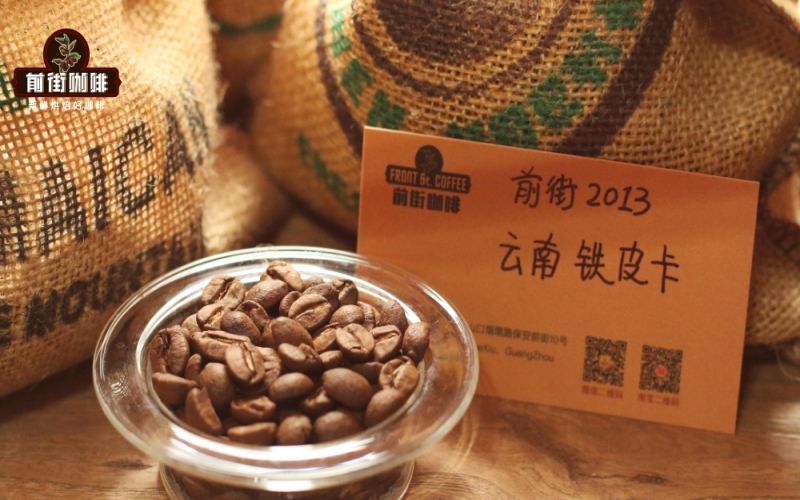
Analysis of Fine Coffee Bean Varieties of Yunnan Small-Bean Coffee: Cultivation Differences Between Typica and Catimor and the Flavor of Front Street 2013
Yunnan, as China's most suitable coffee-producing region, has seen its Arabica varieties evolve from Typica to Catimor. Front Street Coffee started with trial planting in Dazhen, Guangdong, and eventually settled in Lincang, Yunnan, crafting [Front Street 2013] from Typica beans. This article will guide you through the background of coffee cultivation in Yunnan, the intervarietal differences between Typica and Catimor, and the seven-year journey of this sun-dried Typica from seed to cup. We will also explore the origin of the term "Yunnan Arabica" and its taste characteristics, and share the standard V60 brewing parameters used in our stores, so you can experience the layered notes of black tea and nutty tones at home. [more…]
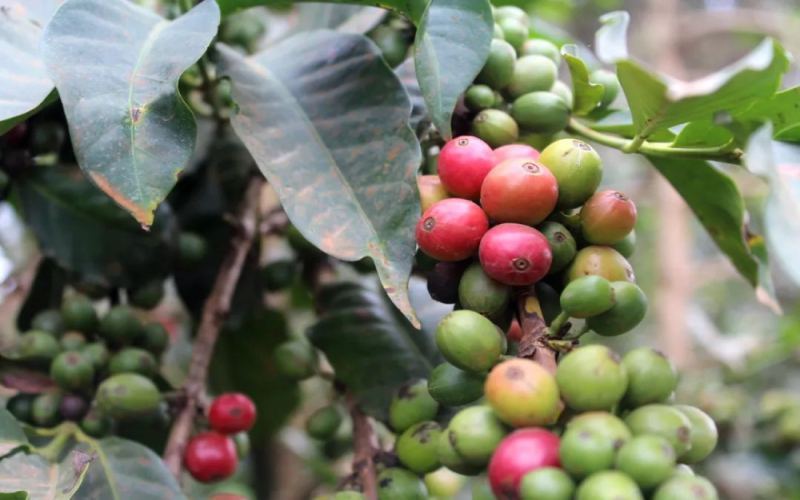
A Complete Guide to Kenyan Coffee Varieties: The Origins and Characteristics of SL28, SL34, Ruiru 11, and Batian
Kenyan coffee is renowned for its clean, translucent cup and bright, full-bodied fruit acidity. Behind this signature flavor lies both the gift of high altitudes and phosphorus-rich volcanic soil in the highlands, and a century of accumulated variety selection and breeding. From the Reunion Bourbon brought by French missionaries in the late 19th century, to SL28 and SL34 selected by the Scott Agricultural Laboratories from 42 lines, to Ruiru 11 and Batian developed to combat berry disease, Kenya's coffee variety history is a story of wrestling with disease, yield, and flavor. This article will outline the genetic origins, cultivation performance, and flavor differences of the main cultivated varieties, and introduce Front Street Coffee's Kenyan beans from the Thika region—selected from SL28 and SL34, processed with the K72 washed method, presenting notes of cherry tomato and dark plum. [more…]
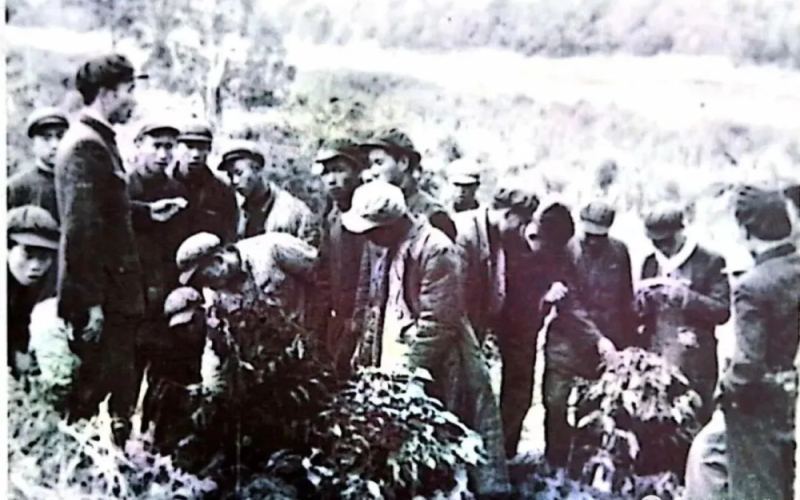
Yunnan Catimor Coffee Flavor Analysis: A Comprehensive Overview of Regional Distribution, Variety Characteristics, and Processing Methods
Yunnan coffee has been actively venturing into the specialty coffee sector in recent years. Although it started relatively late, it demonstrates considerable development potential thanks to its exceptional natural conditions. Front Street Coffee operates a coffee estate in Baoshan, Yunnan, dedicated to cultivating the Typica variety. This article will systematically review the cultivation history of Yunnan coffee, the distribution of major producing regions, variety characteristics, and differences in processing methods. It will focus on analyzing the flavor profiles of the two major varieties, Catimor and Typica, and introduce several Yunnan coffee beans produced by the Front Street Coffee estate. Whether you are encountering the Yunnan producing region for the first time or wish to gain a deeper understanding of Catimor's taste characteristics, this article can provide valuable reference. [more…]

Specialty Coffee in China | What coffee variety is Yunnan small-batch coffee? Recommended Yunnan single-origin specialty coffee beans that are great for pour-over
When it comes to coffee cultivation, people may first think of famous coffee-growing regions such as Africa and Central and South America. In fact, Yunnan in China had records of coffee cultivation as early as 1904, and today it has even ranked among the world's coffee producers. "Yunnan small bean" is appearing more and more frequently in domestic coffee shops, [more…]
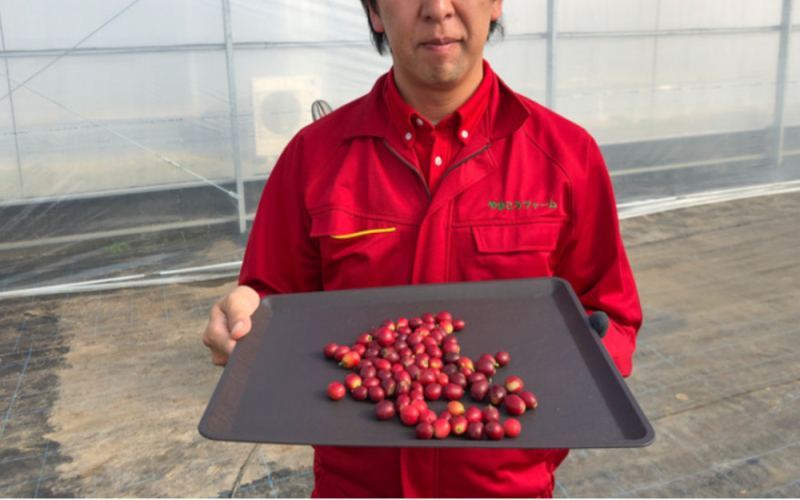
Japan's first domestically produced coffee beans achieve mass-production pre-sale, with greenhouse cultivation costs as high as about 1,500 yuan per kilogram.
Japan has achieved a historic breakthrough by successfully cultivating and harvesting coffee beans on its own soil for the first time. Because Japan's winters are cold, coffee trees struggle to survive in the open air, so this entire batch of coffee cherries was grown in greenhouses at extremely high cost. The person in charge of Yamako Farm had previously gained experience growing tropical crops such as pineapples and mangoes in Okayama City, and this time introduced coffee trees into the same production area. At present, the farm's official website has officially begun preselling this batch of green beans, with a tax-included price of 2,750 yen per 100 grams, equivalent to about 1,500 yuan per kilogram in RMB. Although the price is lower than what some people expected—"sold by the bean"—the yield is extremely small, and the presale sold out instantly, so domestic consumers will likely find it difficult to get their hands on it in the short term. [more…]
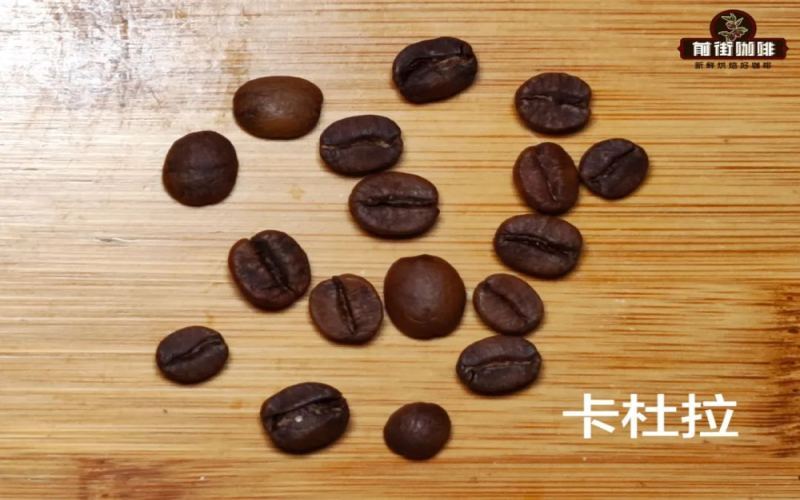
A Complete Analysis of the Caturra and Catuai Coffee Varieties: Origins, Characteristics, and Front Street Coffee's Recommended Bean List
Caturra and Catuai are common variety labels on coffee beans from Central and South America, and the two names are similar with deep connections. Caturra originated from a natural Bourbon mutation discovered in Brazil, with a compact size, high yield, and no need for shade; Catuai is a hybrid offspring of Mundo Novo and Yellow Caturra, combining high yield with stress resistance. This article provides a detailed overview of the discovery history, plant characteristics, cupping performance, and cultivation adaptability of these two varieties, and explains why they often appear together in the same coffee. Front Street Coffee also recommends a number of related bean lists, including Colombia Huila, Costa Rica Musician Series, and Honduras Sweet Orange Estate, with brewing demonstrations and flavor descriptions to help you fully understand the charm of these two varieties. [more…]
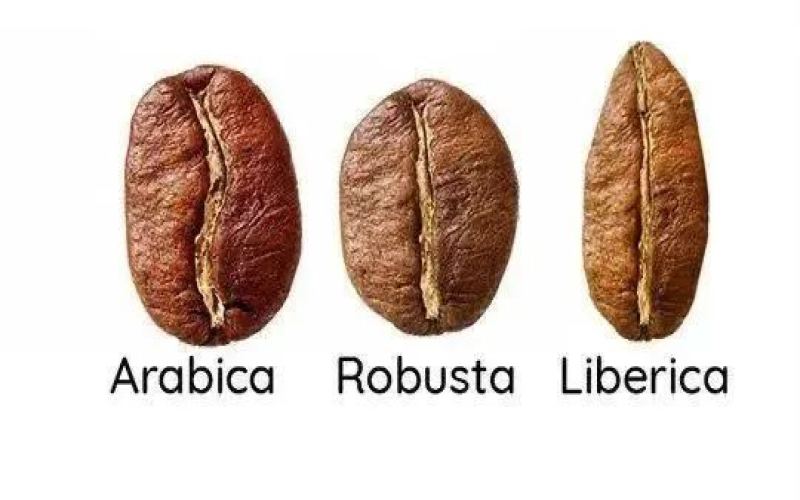
The Origins and Global Map of Robusta Coffee: An In-Depth Analysis of Its Birthplace and Major Producing Countries
In the global coffee landscape, Robusta holds its own against Arabica with roughly a forty percent market share. It originated in the Congo Basin of Africa and, thanks to advantages such as high yield, disease resistance, and drought tolerance, is widely cultivated in countries like Brazil, Vietnam, and Indonesia. Vietnam has leveraged this to leapfrog into becoming the world's second-largest coffee-producing country. This article will trace the history of Robusta's discovery, analyze its varietal characteristics, and examine the cultivation history and current status of major producing countries one by one. Whether you are a coffee enthusiast or a industry professional, you will gain a complete understanding of Robusta from this piece. Front Street Coffee will also recommend Robusta products worth paying attention to in this article. [more…]
Caturra vs. Catuai Coffee Beans: A Full Analysis of Variety Origins, Cultivation Characteristics, and Flavor Performance
Caturra and Catuai are both coffee varieties that attract a lot of attention in the coffee world. The former originated from a single-gene mutation of Bourbon, while the latter is a hybrid descendant of Mundo Novo and Caturra. The two have their own strengths in plant morphology, resistance to wind and rain, altitude adaptability, and cup flavor. Caturra has bright acidity and prominent sweetness, but is slightly inferior in body and cleanliness; Catuai inherits the advantages of being dwarf and wind-resistant, with stable yields, but unfortunately its flavor layers are slightly one-dimensional. Front Street Coffee has always been committed to sharing coffee knowledge. This article will take you through the differences and respective advantages of this pair of "brothers from the same family," from variety origins and cultivation characteristics to flavor performance. [more…]
Analysis of Caturra and Catuai Coffee Varieties: Genetic Relationship, Cultivation Advantages, and Flavor Profile Comparison
Caturra and Catuai are two coffee varieties that appear with extremely high frequency in the coffee world, and they are not hard to find whether on large estates or in small producing regions. Nearly one-third of the products on Front Street Coffee's bean list are made up of these two varieties, which shows just how important they are. Caturra originated from a genetic mutation of Bourbon, and because of its short stature, high yield, and sun tolerance, it became a mainstay variety in Central America; Catuai, meanwhile, was developed by crossing Caturra with Mundo Novo, inheriting the former's advantages while improving disease resistance. This article will sort out in detail the origins, agronomic characteristics, and flavor differences of the two, and combine them with Front Street Coffee's cupping experience to help you understand why these two varieties have won the favor of so many coffee farmers. [more…]
Comparison of Yunnan Typica and Catimor Varieties: Flavor Characteristics of Arabica Coffee and Moka Pot Brewing Guide
In the history of coffee cultivation in Yunnan, Typica and Catimor are two varieties that cannot be overlooked. The former is the pure Arabica bloodline first brought to Yunnan by French missionaries, with an elegant and clean flavor, yet it was once abandoned due to its weak constitution and low yield; the latter, because of its strong disease resistance, ease of cultivation, and high yield, became the main force in Yunnan coffee's revival, but its flavor is limited due to its Robusta genes. Front Street Coffee has been cultivating Typica in Lincang, Yunnan, at an altitude of 1,300 meters since 2013, using traditional sun-drying to present layers of plum, berry, nut, and brown sugar notes. This article will cover the origins of the varieties, flavor differences, and practical details of using a moka pot, helping coffee enthusiasts fully understand the potential of Yunnan beans and the correct brewing methods. [more…]
Yunnan Catimor Coffee Flavor Analysis and Pour-Over Parameter Guide: From Variety Tracing to Brewing Practice
The evolution of coffee varieties in Yunnan has a profound impact on the flavor in the cup. From the originally introduced Typica to the now widely planted Catimor, behind this shift in varieties lies a trade-off among disease resistance, yield, and flavor. This article traces the origins and development of coffee varieties in Yunnan, analyzes the genetic differences and flavor performance of Catimor and Typica, and includes Front Street Coffee's Yunnan bean brewing method and tasting notes, helping coffee lovers understand the unique character this land gives to coffee. [more…]
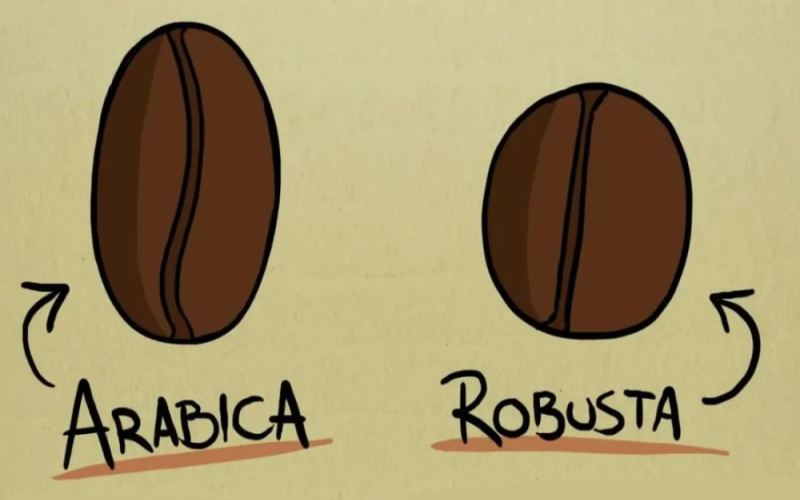
What Are Robusta Coffee Beans? An Analysis of Robusta's Flavor Characteristics, Cultivation Advantages, and Applications in Espresso Blends
Robusta is a mainstream commercial coffee bean species alongside Arabica on the market, but it is often labeled as "bad-tasting" and "bitter." Is it truly destined to have no place among good coffees? This article systematically reviews Robusta's characteristics, advantages, and disadvantages from the perspectives of flavor formation, cultivation advantages, and specialty potential, and explains why it is indispensable in Italian espresso and commercial blends. At the same time, drawing on the formulation approach of Front Street Coffee's commercial blend coffee beans, it introduces how to use 10% washed Robusta combined with Colombian and Brazilian beans to obtain rich crema, nutty aroma, and a creamy mouthfeel, helping coffee lovers rediscover this underestimated bean. [more…]
A Complete Analysis of El Salvador's Coffee Regions, Flavors, and Varieties: Aida Batlle and Her Bourbon Cultivation Legacy
Salvadoran coffee is renowned for its steady, mellow body paired with a lively, complex aroma. In the late 19th century, coffee cultivation took root in this land, and the upheavals of civil war paradoxically allowed many old varieties to survive. This article will guide you through the flavor characteristics of Salvadoran coffee, its main varieties, and the moving story of the legendary female coffee farmer Aida Batlle—returning from the United States to her homeland, winning the COE and setting a price record, and her commitment to organic farming and low-yield, high-quality Bourbon. At the same time, Front Street Coffee also recommends related products for you, so you can experience the unique charm of Central American coffee together. [more…]
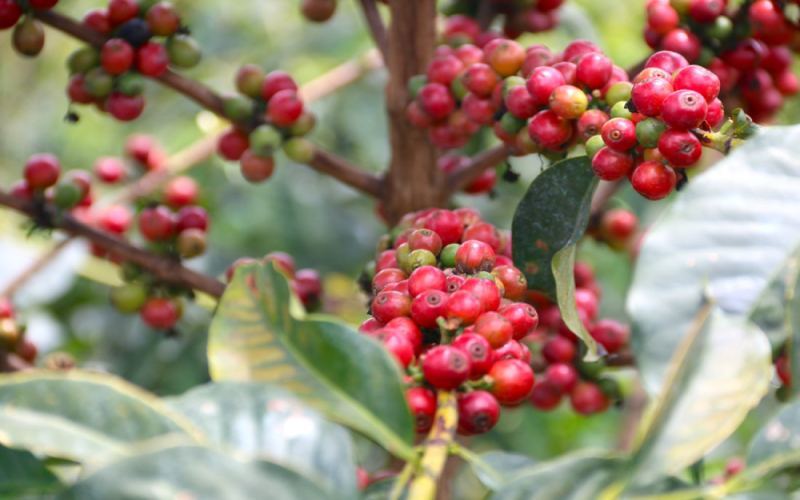
The Origins and Flavor Characteristics of Brazilian Yellow Bourbon Coffee: From Genetic Mutation to Queen's Estate Specialty Beans
Yellow Bourbon is a rather legendary variety on Brazil's coffee map. It gets its name from its ripe fruit, which is yellow, and it has regained attention in the specialty coffee wave for its sweetness and citrus acidity. From an accidental mutation in Botucatu in 1871, to formal cultivation by IAC researchers, to the meticulous natural processing at Fazenda Rainha, Yellow Bourbon has traveled a winding yet remarkable path. This article will sort out the origin story, genetic principles, growing characteristics, and flavor performance of Yellow Bourbon, and introduce Front Street Coffee's roasting approach and cupping impressions of Fazenda Rainha Yellow Bourbon, giving you a comprehensive understanding of the charm of this unique variety. [more…]
Exploring the Bourbon Coffee Family: The Origin Stories, Variety Characteristics, and Brewing Flavor Comparison of Red Bourbon and Yellow Bourbon
Bourbon is one of the oldest varieties of Arabica coffee, having mutated from Typica and given rise to numerous popular varieties. The red bourbon and yellow bourbon pair, "same origin, different colors," have each traveled vastly different paths of propagation and cultivation. From the perspective of Front Street, this article traces the origins of Bourbon coffee, telling how the French "borrowed" coffee seedlings from Yemen, and how a mutation on Bourbon Island created this legendary variety. It also takes a deep dive into comparing red bourbon and yellow bourbon in terms of flavor, cultivation difficulty, and yield, and presents detailed flavor descriptions of the Rwanda washed red bourbon and the Brazil Queen's Farm yellow bourbon from Front Street's bean list, helping coffee enthusiasts more clearly understand the unique charm of these two varieties that have "made a comeback." [more…]
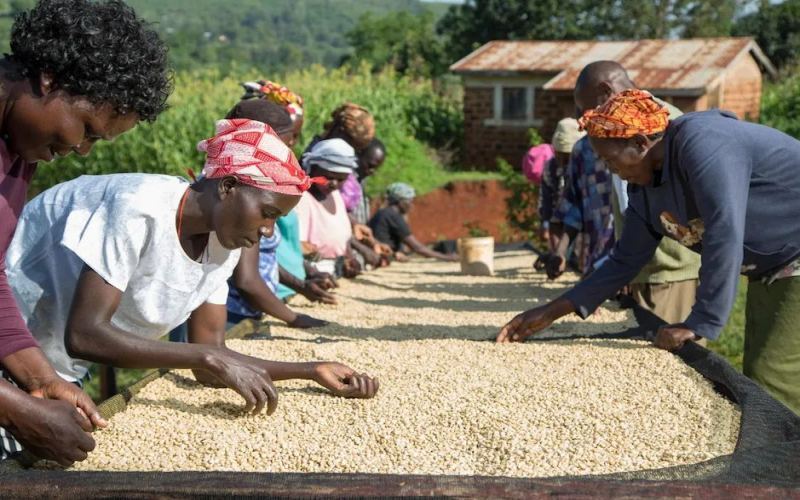
Where does the classic flavor of Kenyan SL28 and SL34 come from? Is Ruiru a coffee variety?
Kenyan coffee is renowned worldwide for its bright, uplifting fruit acidity and full, rich, juicy body, and SL28 and SL34 are the core varieties that shape this classic style. These two varieties, bred by the Scott Laboratories, have become stars of the specialty coffee world thanks to their complex flavors of dark plum, citrus, and stone fruit. However, their vulnerability to leaf rust and coffee berry disease gave rise to the later, more disease-resistant Ruiru 11 and Batian. This article will systematically trace the evolution of Kenyan coffee varieties—from their origins and flavor characteristics to cultivation performance and current market status—and answer the question of whether Ruiru is a coffee variety. [more…]
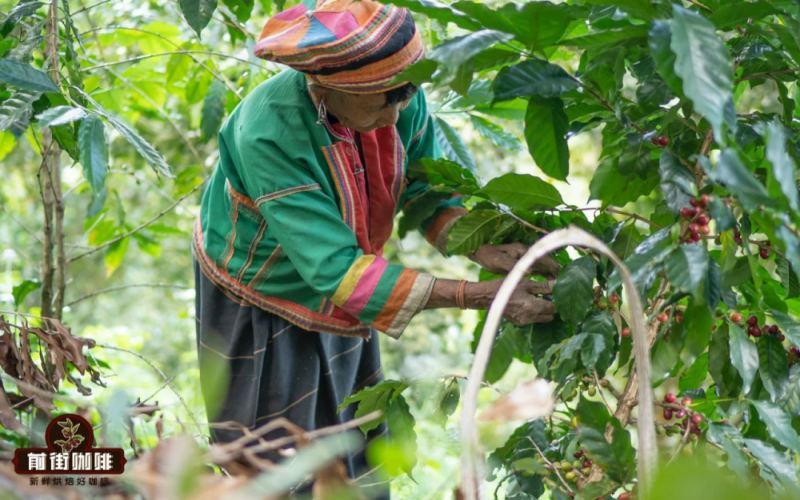
Analysis of the Roasting Methods and Processing Methods of Yunnan Typica Coffee Beans: The Historical Origins and Variety Evolution of Arabica Coffee
The connection between Yunnan and coffee can be traced back a century, when the first coffee tree was introduced by French missionaries. Since then, the coffee industry on this land has undergone a succession of varieties from Typica and Bourbon to Catimor, and has also witnessed a transformation from commercial bulk raw material to specialty coffee. This article sorts out the historical threads and development milestones of Yunnan small-bean coffee, explains the varietal meaning of the term "small bean," and takes a deeper look at the differences between Typica and Catimor in disease resistance, yield, and flavor. At the same time, Front Street will share the cultivation practices, natural processing methods, and medium-roast approach for Yunnan Typica coffee beans, along with suggested pour-over parameters, to help coffee lovers gain a comprehensive understanding of the flavor characteristics and brewing key points of Yunnan coffee. [more…]